
You’ve got three quotes sitting on your kitchen bench. They’re all within a few hundred dollars of each other. One painter seemed nice. Another was cheaper. The third had a fancy website.
So you pick the middle one and hope for the best.
That’s how most painting disasters start. Not with obvious red flags, but with homeowners who didn’t know what questions to ask.
The difference between a professional paint job and a nightmare isn’t always obvious in a quote. It shows up three months later when your freshly painted walls are peeling, or when you discover the “insured” painter who damaged your floors actually let his policy lapse.
Here are twelve questions that separate legitimate professionals from cowboys. Ask them before you sign anything.
The $15,000 Mistake Most Sydney Homeowners Make
Photo by Jan van der Wolf on Pexels
A Mosman homeowner hired a painter based on price alone. The quote was $8,000 for their entire house exterior. Seemed reasonable.
The painter showed up with one helper, no scaffolding, and budget paint. He pressure-washed the weatherboards but skipped proper surface prep. Applied one coat. Left after four days.
Six months later, the paint was peeling in sheets. The homeowner had to pay another $15,000 to strip it all back and start again properly.
The original painter? Gone. Phone disconnected. ABN deregistered.
This happens more often than you’d think. Not because homeowners are careless, but because they don’t know what questions expose the difference between a professional operation and someone winging it.
Questions About Their Business Foundation
Start here. These questions tell you whether you’re dealing with a legitimate business or someone who might vanish mid-job.
1. How long have you been trading under your current ABN?
Notice the specificity. Not “how long have you been painting?” but “how long under your current ABN?”
Cowboys often close one ABN and open another when things go wrong. A painter might claim twenty years of experience but only have six months under their current business registration.
You want someone who’s been operating under the same ABN for at least three years. That suggests stability, repeat business, and accountability.
2. Are you a member of Master Painters Australia?
Membership isn’t mandatory, but it matters. Master Painters Australia requires proof of insurance, qualifications, and adherence to industry standards.
A painter who’s maintained membership for years is making a statement about how they run their business. They’re accountable to an industry body, not just themselves.
If they’re not members, ask why. Sometimes there’s a reasonable answer. Often there isn’t.
3. Can I see your public liability and WorkCover certificates right now?
Right now. Not “I’ll email them later.” Not “they’re in the car.”
According to industry guidance, you should always verify insurance before work begins. A legitimate painter carries current certificates and can show them immediately.
Public liability covers damage to your property. WorkCover protects you if someone gets injured on your job. Without both, you’re exposed to serious financial risk.
Check the dates. Check the coverage amounts. Public liability should be at least $10 million. If they hesitate or make excuses, walk away.
Questions About Their Actual Process

Photo by Tima Miroshnichenko on Pexels
This is where you separate professionals from people who just own a paintbrush.
4. Walk me through exactly how you’ll prep these surfaces
Surface preparation determines how long your paint job lasts. It’s also the part cowboys skip because it’s time-consuming and invisible in the finished product.
A professional will describe a detailed process: washing, scraping, sanding, filling cracks, spot priming, masking. They’ll mention specific products for different surfaces.
A cowboy will say something vague like “we’ll get it ready” or “standard prep.”
If they can’t articulate their prep process in detail, they probably don’t have one.
5. How many coats are included in your quote, and what happens if coverage isn’t perfect?
Two coats is the minimum for quality work. Some surfaces need three.
But here’s the trick: some painters quote two coats knowing they’ll only apply one and a half. They’ll claim the coverage was “good enough.”
Ask what happens if the coverage isn’t perfect after the quoted number of coats. A professional will have a clear answer about touch-ups and additional coats. A cowboy will get defensive.
6. What specific paint brand and product line are you quoting?
Not just “premium paint.” The actual brand and product line.
There’s a massive difference between contractor-grade and premium products from the same manufacturer. Painters often base quotes on lower-quality paint to appear cheaper, then either use that inferior product or quietly upgrade and pocket the difference.
Get it in writing. If they’re quoting a premium product, it should be specified in the contract.
7. Who’s actually doing the work — you or subcontractors?
There’s nothing wrong with subcontractors if they’re properly managed and insured. The problem is when you think you’re hiring one business but actually getting whoever they could find that week.
If they use subcontractors, ask if those workers are covered under their insurance. Ask how long they’ve worked with them. Ask who’s supervising the job daily.
Personal Painters maintains a consistent team of experienced painters, which is one reason their work quality stays reliable across different jobs. That consistency matters more than most homeowners realize.
Questions About Protection and Accountability
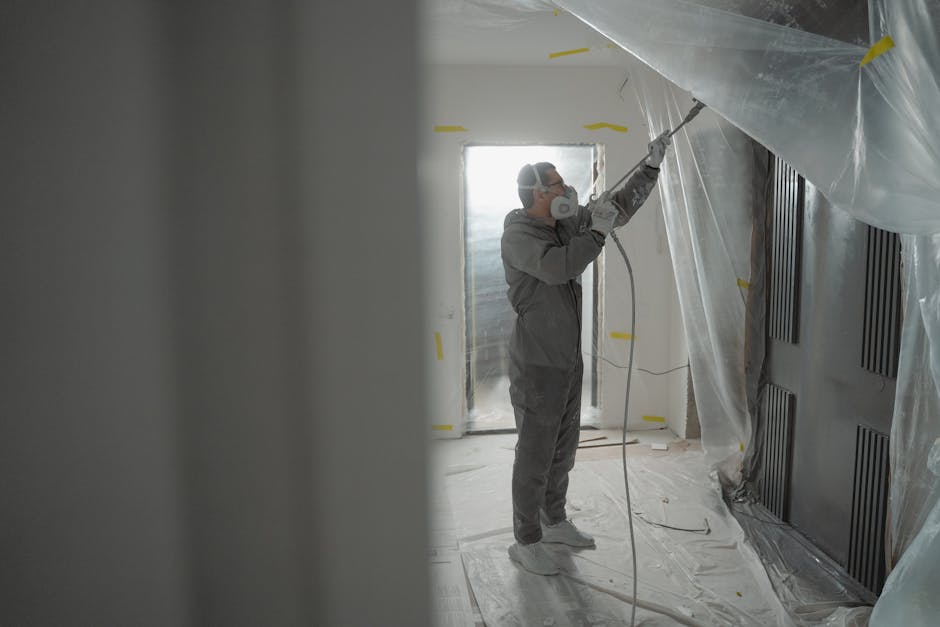
Photo by Tima Miroshnichenko on Pexels
These questions reveal whether someone takes pride in their work or just wants to get in and out quickly.
8. How do you protect floors, furniture, and areas you’re not painting?
A professional will describe their protection process in detail: drop sheets, plastic covering, masking tape quality, how they seal off rooms.
They’ll mention specific materials. They’ll explain their system.
A cowboy will say “we’ll cover everything” and then show up with one paint-stained drop sheet and some newspaper.
9. Is daily clean-up included, or just final clean-up?
This question tells you whether you’ll be living in a construction zone or whether they respect your home.
Daily clean-up means removing dust sheets, sweeping, disposing of rubbish, and leaving the space usable each evening. Final clean-up only means they’ll tidy up when they’re completely finished.
If you’re living in the house during the work, daily clean-up isn’t a luxury. It’s basic professionalism.
10. What’s your written warranty, and what exactly does it cover?
Verbal warranties are worthless. You need it in writing, and you need to understand what it actually covers.
Does it cover peeling? Fading? Cracking? For how long? What are the exclusions?
A professional will have a standard warranty document they can show you. A cowboy will promise “we’ll fix anything that goes wrong” without putting it in writing.
Questions That Reveal Their True Character
These final questions aren’t about technical competence. They’re about how someone handles problems.
11. What happens if I’m not happy with something mid-job?
Problems happen. Paint color looks different on the wall than the sample. A finish isn’t quite right. Something gets missed.
What matters is how they handle it.
A professional will describe their process for addressing concerns: daily check-ins, clear communication, willingness to fix issues immediately rather than at the end.
A cowboy will get defensive or suggest you’re being difficult.
12. Can you provide three references from jobs completed in the last six months?
Not from five years ago. From the last six months.
Recent references tell you how they’re operating now, with their current team and processes. Old references might reflect a business that no longer exists in the same form.
Call those references. Ask specific questions: Did they start on time? How was communication? Were there any issues, and how were they handled? Would you hire them again?
If a painter can’t provide recent references, that’s a significant red flag.
The One Question You Should Never Have to Ask
Here’s what you shouldn’t need to ask: “Can I trust you?”
If you’re asking that question, you already have your answer.
Trust comes from clear answers to specific questions. It comes from documentation, insurance certificates, detailed quotes, and recent references. It comes from a painter who welcomes your questions rather than deflecting them.
The twelve questions above aren’t about being difficult. They’re about protecting yourself from expensive mistakes and ensuring you’re working with someone who operates professionally.
Personal Painters has been answering these questions for Sydney homeowners for years because they understand that transparency builds trust. If you’re planning a painting project and want to work with a team that welcomes scrutiny rather than avoiding it, get in touch for a detailed quote and straight answers to every question on this list.
The right painter won’t just tolerate these questions. They’ll respect you for asking them.