
You’ve got three quotes sitting on your kitchen bench. One painter seemed friendly, turned up on time, and gave you a price that felt reasonable. Then, halfway through the conversation, something didn’t sit right. Maybe they dodged a question about insurance. Maybe they wanted half the money upfront before lifting a brush. These moments matter more than you think.
Hiring the wrong painter doesn’t just mean a bad finish. It means paying twice, dealing with damage, or worse, being liable when someone gets hurt on your property. The good news? Most red flags show up early if you know what to look for. If you’re weighing up whether to tackle the job yourself or bring in a professional, our Diy Vs Professional House Painting When To Call In The Experts guide covers when it’s worth making the call.
The painter who seemed perfect until you spotted these warning signs
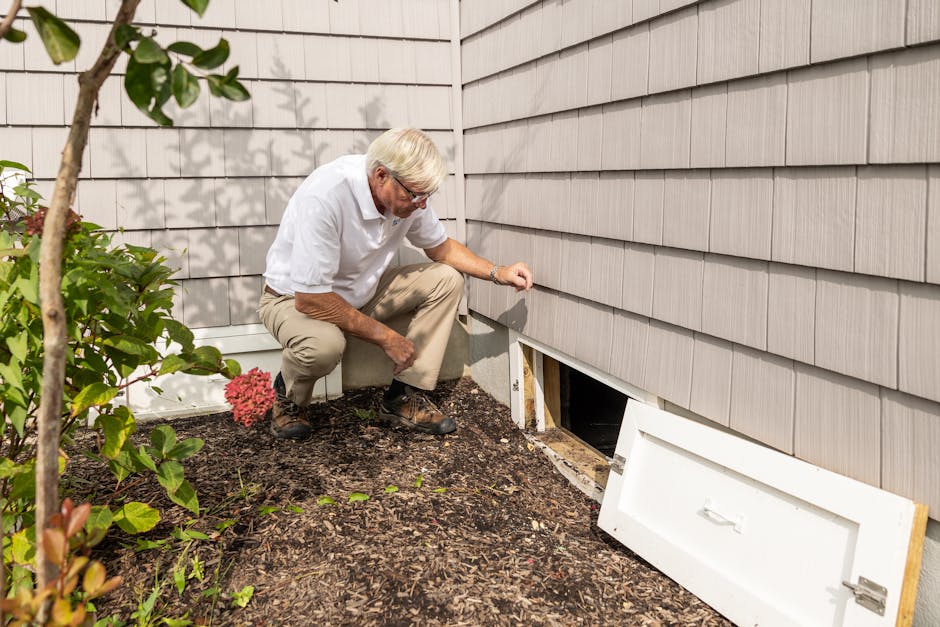
Photo by Kathleen Austin Kuhn on Pexels
Picture this: a painter arrives, walks your exterior, points out a few things you hadn’t noticed, and quotes you $4,500. Sounds fair. He’s polite, answers his phone, and says he can start next week. Then you ask for the quote in writing. He says he’ll email it. It never arrives. You follow up. He says he’s been busy but will get it to you. Still nothing.
This is how it starts. Not with obvious incompetence, but with small evasions that feel almost reasonable. The problem is that dodgy painters cost Sydney homeowners real money. Not just in poor workmanship, but in disputes, delays, and repairs that shouldn’t be necessary. The difference between a good hire and a disaster often comes down to what you notice before signing anything.
What follows are the specific warning signs that separate professionals from operators you’ll regret hiring. None of this is about being difficult. It’s about protecting your investment and avoiding the kind of mess that takes months to fix.
Red Flag #1: They won’t put the quote in writing

Photo by Kindel Media on Pexels
If a painter gives you a verbal quote and then drags their feet on putting it in writing, walk away. No exceptions. Verbal agreements mean nothing when the job goes sideways. You can’t prove what was promised, what paint was supposed to be used, or what prep work was included. When disputes happen, and they do, you’re left arguing about what someone said three weeks ago.
Legitimate painters provide written quotes without being chased. It’s standard practice. If you have to ask twice, that’s not forgetfulness. That’s avoidance. They’re either disorganised to the point of being unreliable, or they’re deliberately keeping things vague so they can change the terms later.
What a proper written quote actually includes
A real quote isn’t a scribbled figure on the back of a business card. It should list the scope of work in detail: which rooms, which surfaces, how many coats. It should name the paint brand and product line, not just “premium paint”. It should describe surface preparation, specify the timeline, and break down the payment schedule. You should see an ABN and a licence number.
Vague quotes create room for arguments. “We agreed on two coats” versus “I said two coats if needed” is the kind of dispute that costs you money. A proper quote removes that ambiguity. Use it as a checklist. If any of these elements are missing, ask for them. If the painter resists, that tells you everything.
Red Flag #2: No licence number or insurance details when you ask
In NSW, painters need proper licensing for jobs over $5,000. If your job falls into that range and the painter doesn’t mention their licence, that’s a problem. If they don’t have public liability insurance, it’s a bigger one. No insurance means if someone falls off a ladder on your property, you’re the one dealing with the claim. That’s not a theoretical risk. It happens.
Legitimate painters hand over these details without hesitation. They know you’re going to ask, and they’re ready for it. If you get evasiveness, excuses, or promises to send it later, assume they don’t have it. Don’t assume they’ll sort it out before starting. They won’t.
How to verify a painter’s licence in NSW (takes 2 minutes)
Go to the NSW Fair Trading website and use the licence lookup tool. Enter the licence number they’ve given you. Check that it’s active, that it covers the type of work you’re hiring them for, and that there are no disciplinary actions listed. This isn’t rude. It’s normal. Any painter who takes offence at you verifying their credentials isn’t someone you want on your property.
What you’re looking for: an active licence in the correct category, no suspensions, no unresolved complaints. If the licence is expired or doesn’t exist, don’t give them a chance to explain. Just move on.
Red Flag #3: They want the full payment upfront
No reputable painter asks for 100% upfront. None. If someone wants the full amount before they’ve even started, it’s either a scam or they’re in such bad financial shape that your deposit is paying for someone else’s job. Either way, you’re not getting what you paid for.
What happens next is predictable. They take your money, start the job, then disappear for weeks because they’re juggling other clients. Or they finish half the work and vanish. Or they do show up, but the quality drops because they’ve already been paid and there’s no incentive to do it properly. You have no leverage once the money’s gone.
The standard payment schedule legitimate painters use
A reasonable deposit is 10-20%. That covers materials and shows you’re serious. Progress payments happen at agreed milestones: after prep work, after the first coat, whatever makes sense for the job. The final payment, usually 10-20%, gets paid when you’ve inspected the work and you’re satisfied. That final payment is your leverage. It’s what keeps the painter accountable right to the end.
Deposits protect both sides. Large upfront payments only protect the painter. If someone pushes back on this structure, they’re either inexperienced or they’re not planning to finish properly.
Red Flag #4: They can’t show you photos of recent local jobs
Ask to see recent work in Sydney. Not jobs from five years ago. Not stock photos that could be from anywhere. Recent, local projects. If they can’t show you anything, they’re either brand new, which is fine if they’re upfront about it, or they’re not actually active in the area.
Good painters keep a portfolio. They’ll show you photos, give you addresses of jobs they’ve done nearby (with the owner’s permission), and let you drive past to see the finish. If you’re thinking about refreshing your home’s exterior, our 5 Unexpected Colors That Can Boost Your Homes Curb Appeal guide might give you some ideas worth discussing with your painter.
Don’t accept excuses about client privacy. There are ways to show work without breaching confidentiality. If a painter won’t or can’t demonstrate their capability, assume they don’t have any.
Red Flag #5: Their quote is suspiciously cheaper than everyone else’s
You’ve got three quotes. Two are around $5,000. One is $3,200. It’s tempting. But that $1,800 difference has to come from somewhere. It’s not coming from the painter’s profit margin. It’s coming from skipped prep, cheap paint, no insurance, or rushed work.
Cheap quotes cut corners you won’t see until it’s too late. The paint starts peeling after six months. The finish looks uneven. Surfaces weren’t properly cleaned or primed. You end up paying someone else to fix it, and now you’re spending more than if you’d hired properly the first time.
Where cheap quotes cut corners (and what it costs you later)
Minimal surface prep is the first casualty. Proper prep means cleaning, sanding, filling cracks, priming. It’s time-consuming. Cheap painters skip it. One coat instead of two is another common shortcut. Low-grade paint that fades or peels within a year. No warranty, so when it fails, you’re on your own.
Here’s the maths: you save $1,800 now. Twelve months later, the paint’s peeling and you need to repaint. That costs $5,500 because the new painter has to strip the failed work first. You’ve spent $8,700 total instead of $5,000. That’s the real cost of cheap.
Red Flag #6: They’re vague about prep work and materials

Photo by Sergey Meshkov on Pexels
Prep work is 70% of a quality paint job. If a painter can’t tell you exactly what prep they’re doing, they either don’t know or they’re not planning to do it properly. Vague answers sound like this: “We’ll do whatever’s needed.” “Standard prep.” “Don’t worry, we’ll sort it out.”
Professionals are specific because they know what good work requires. They’ll tell you they’re pressure washing, filling cracks with a specific filler, sanding to 120 grit, priming with a particular product. They’ll name the paint brand and product line. They’ll explain how many coats and why. If you’re considering eco-friendly options, our The Ultimate Guide To Eco Friendly House Paints What You Need To Know breaks down what’s available and what actually works.
The prep work questions that separate pros from cowboys
Ask these questions directly: How will you prepare the surfaces? What paint brand and product line are you using? How many coats? What’s your process for protecting furniture and floors? What happens if you find damage during prep?
Good answers are detailed and confident. “We’ll pressure wash, scrape any loose paint, fill cracks with Selleys No More Gaps, sand smooth, then prime with Dulux 1Step Prep. Two coats of Dulux Weathershield, applied with a roller and backrolled for even coverage. Drop sheets on all floors, plastic over furniture, masking tape on windows and trim.” That’s a pro talking.
If you get vague reassurances instead of specifics, you’re talking to someone who doesn’t have a process. That’s not who you want holding a brush near your house.
Red Flag #7: They pressure you to decide immediately
High-pressure tactics are a classic warning sign. “This price is only good today.” “I’ve got another job starting Monday if you don’t commit now.” “Materials are going up next week, so you need to decide.” All of it is designed to stop you thinking clearly.
Good painters are busy, but they don’t pressure you. They want you to be confident in your choice because they know that leads to better outcomes for everyone. If you feel rushed, pushed, or cornered into deciding, walk away. That pressure doesn’t stop once you’ve signed. It continues through the job, and it never works in your favour.
Trust your gut, but verify everything else
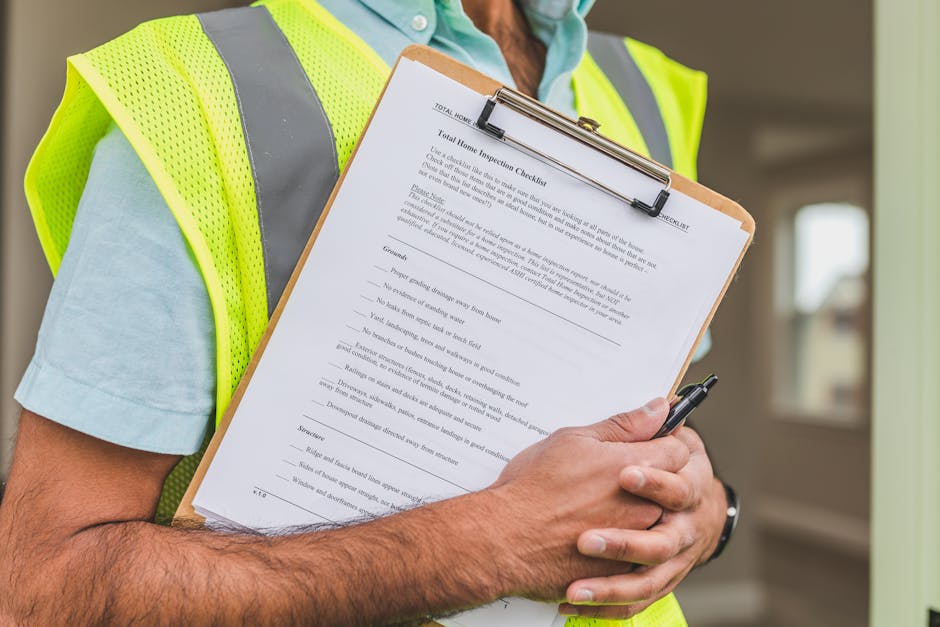
Photo by RDNE Stock project on Pexels
Intuition matters. If something feels off, it probably is. But intuition alone won’t protect you from a bad hire. Concrete verification does. Get the written quote. Check the licence. Confirm the insurance. Ask about prep work and materials. Look at recent local jobs. Agree on a reasonable payment schedule.
These checks take an hour, maybe two. They save you thousands and months of stress. Use this as a checklist when you’re meeting with painters. The ones who pass every test are the ones worth hiring. The ones who fail even one? Keep looking. Your home’s worth the effort.